Visitor information
Dear visitors,
From 20.01 > 31.05.26: The museum is undergoing renovation works
For the comfort of our visitors and staff, the museum’s elevator will be replaced.
During the renovation works, the Lace Room will remain open except from 01.06 > 11.06. The rest of the museum will be closed to the public. Access to the Lace Room is free of charge.
Thank you for your understanding and enjoy your visit.
Agenda
All activities
Upcoming Triplex
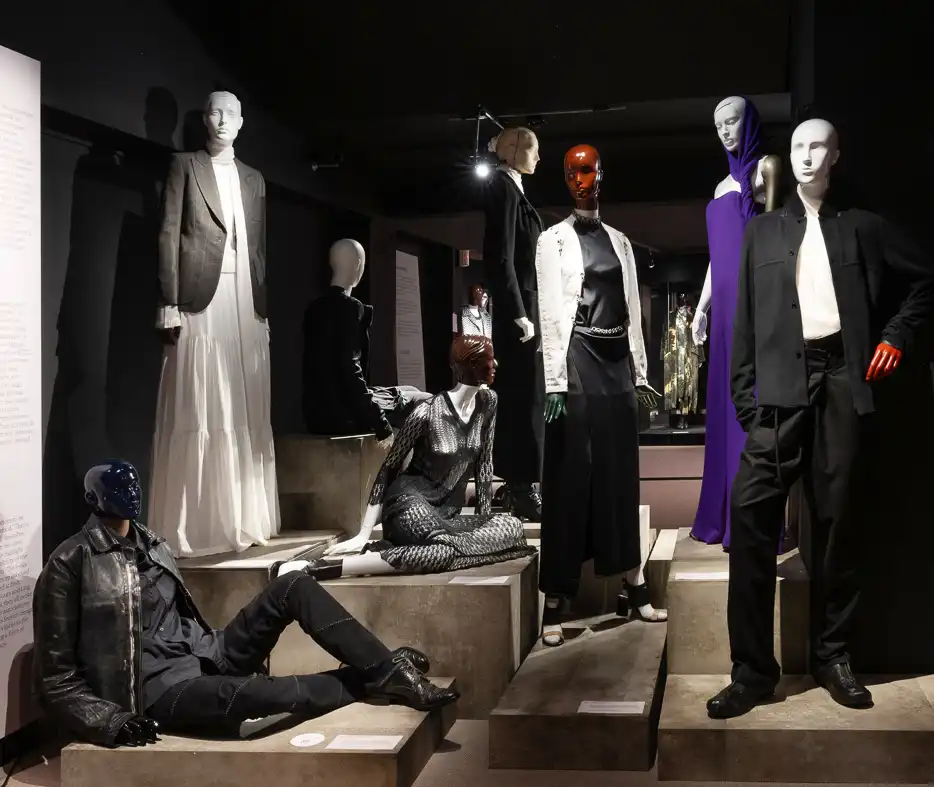
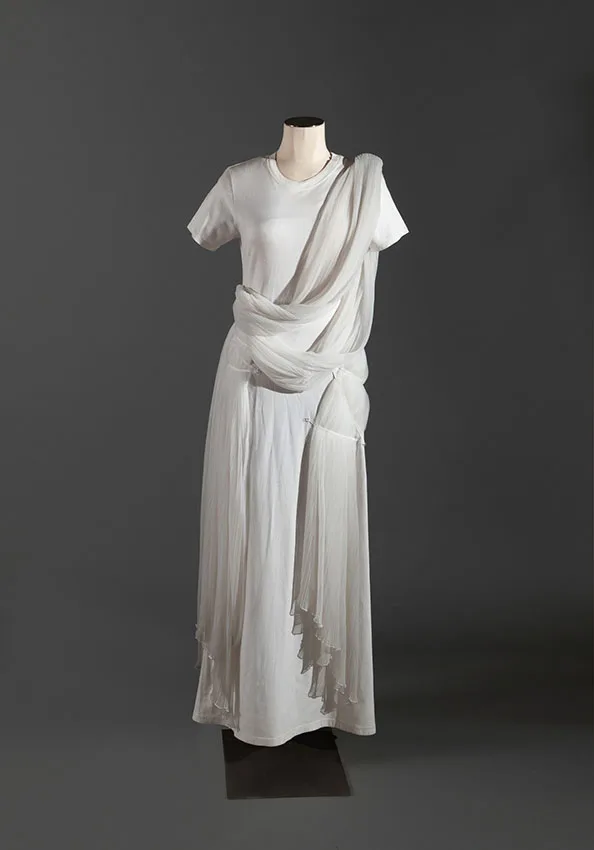
In the summer of 2026, the Fashion & Lace Museum invites you to discover the simplicity of clothing. Spanning more than two centuries of history, this new exhibition looks back at moments when clothing leaned towards simplicity, functionality, and naturalness. Often associated with luxury, glamour, and novelty, fashion is revealed here as a mirror of cultural and social change. A theme that, until now, has been little studied.
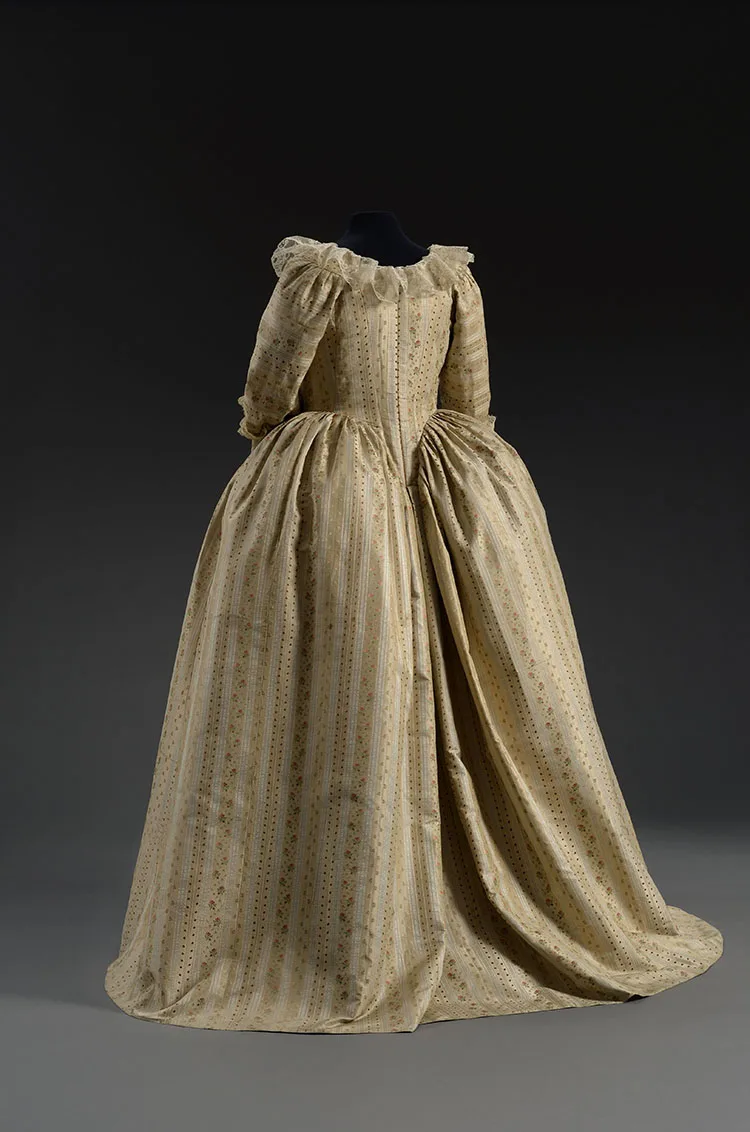
Simplicites begins at the end of the 18th century. The philosophy of the Enlightenment, along with medical and hygienist discourse, called for a profound reform of the way people dressed. A return to nature manifested itself in a rejection of corrective artifices, new cuts, breathable materials, and an aesthetic vocabulary inspired by Antiquity. The clothing ideal became a reflection of a new lifestyle combining comfort, freedom of the body, and closeness to nature.
The exhibition is divided into six chapters, each highlighting the different aspects of this simplicity. Drawn from history, the pieces shown in these thematic capsules reveal the continuity, resurgence, and paradoxes of this aesthetic. Discover this lesser-known side of fashion history.
Lace room
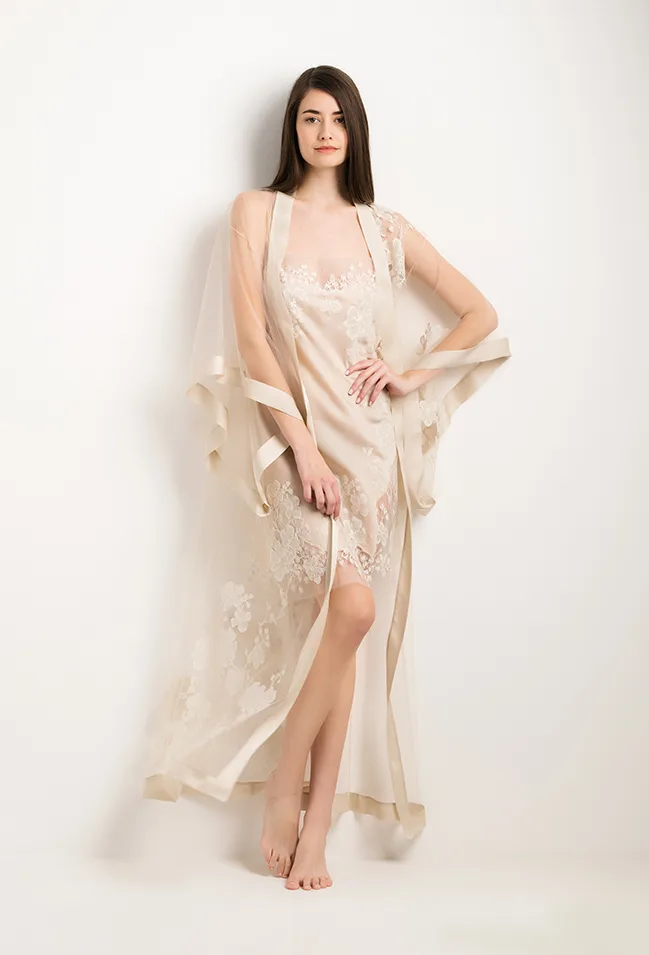
In the interests of proper conservation, the Lace Room renews its lace display every two years.
Rotating the pieces on view in this way makes it possible to both conserve the oldest and most fragile items and offer visitors the opportunity to admire examples of superb lacework.
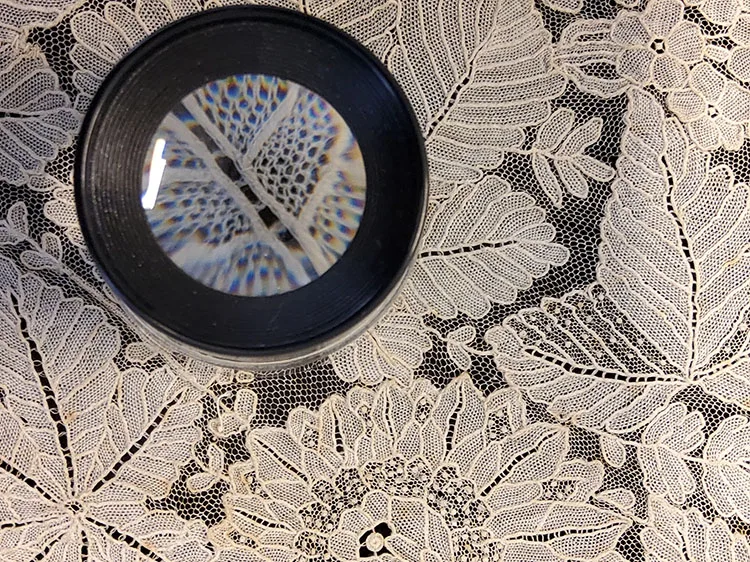
After woollen cloth and tapestry, this third jewel of the luxury textile industry adorned the costumes of the men and women of the greatest European courts for centuries. Brussels lace has not been produced since the First World War, but its aura remains almost intact.
Subscribe to the newsletter to not miss any of our activities.
Newsletter